Seva Nilayam
peddakorukondi - kalluru - khammam - Telangana
Quick Contact
-
Peddakorukondi Community
Seva Nilayam, Peddakorukondi, Via Kalluru, Khammam District – 507209, Telangana, India - +91 9505476278
- sevanilayampk@gmail.com
Office Address
History of SevaNilayam Community (House of Service) at Peddakorukondi (1994)
In 1994, Rt. Rev. Marampodi Joji, the Bishop of Khammam, Andhra Pradesh, invited the Sisters of St. Joseph of Tarbes to establish a mission in the parish of Peddakorukondi. In response, the Provincial Government of Mysore delegated a team of sisters to conduct a study of the area. Based on their findings, the province decided to open a community in this region. On June 11th, 1995, Sr. Assunta Alvaries, the Provincial of Mysore Province, accompanied the pioneer sisters—Sr. Juliana D’Souza (Superior), Sr. Lilly D’Souza, and Sr. Carmel D’Silva—to Peddakorukondi. The sisters were entrusted with the mission of providing pastoral care, medical assistance, and social welfare services to the local people.
The sisters’ initial experience in the mission was both enriching and challenging. They lived in a single-room rented house, which served as their dormitory, prayer room, community room, consultation area for outpatients, and labor room for delivery cases. Despite these humble conditions, the sisters were joyfully committed to their work. The house became a welcoming space, especially for women and children who came to share their joys and sorrows in a homely atmosphere.
Upon settling down, the community formulated its objectives: involvement in parish activities, social apostolate, and an emphasis on self-help groups, particularly focused on women and children.
The people of Peddakorukondi and its surrounding 28 villages face significant socio-economic challenges. This area has been declared a socio-economically backward region within Khammam district, Andhra Pradesh. The local population includes tribal groups like Koyas and Lumbadies, as well as Dalits (Malas and Madigas). Strong caste beliefs hinder social unity and development. The people mostly work as daily wage laborers and agricultural workers, with a few wealthier high-caste families living in the villages.
Paddy, millet, and lentils are the primary food crops, while chilly and cotton are the main cash crops in this area, which is known as “The Rice Bowl of India.” Many of the poor live in mud huts with thatched roofs, and illiteracy is rampant, with the literacy rate in Andhra Pradesh being only 25.6%, and just 1.8% of rural women being educated.
Living conditions are dire, with inadequate sanitation and open defecation contaminating water sources, particularly during the rainy season. Due to poor nutrition and sanitation, communicable diseases such as tuberculosis, malaria, and HIV are prevalent. Health care services are severely lacking, with the nearest good hospital located 61 kilometers away in Khammam. Many people still rely on magic and superstition for healing.
In light of these conditions, Bishop Joji invited the Sisters of St. Joseph of Tarbes to establish a health center on 8 acres of land in 1994 to improve the situation.
Opening the Dispensary (1997)
In 1997, the sisters opened a small dispensary. Patients began visiting at all hours, especially for emergency cases. Although the clinic was poorly equipped, the sisters depended on the healing power of God for their ministry. As expected, the sisters faced opposition from a local Rural Medical Practitioner who felt threatened by the influx of patients to the dispensary. Over time, the sisters built a relationship with him, which helped ease tensions.
The number of patients continued to increase, with people coming from distant villages. This additional strain on the sisters did not deter them. They said, “How could we resist them? We could not think of our comfort and leisure. There was deep joy and contentment in giving ourselves to the poor people, because as a community, we were of one mind and heart.” The sisters also became involved in the diocesan tuberculosis and AIDS programs, with Sr. Daisy working in the Bishop’s mobile clinic for TB eradication.
Empowering Women and Children
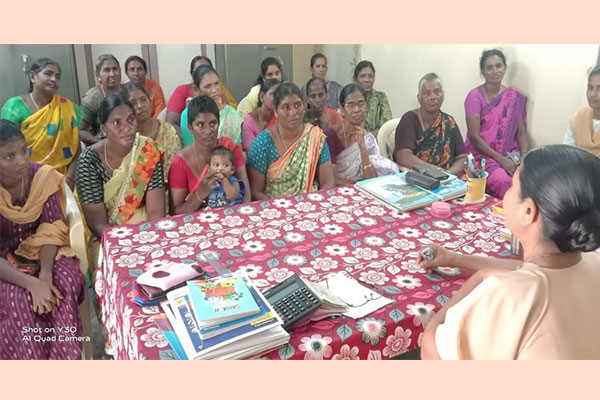
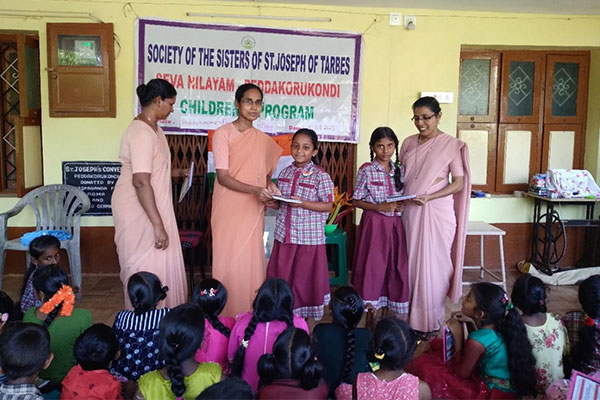
The sisters began their work with a focus on children, starting ‘Balwadi’ classes to offer early education. They also initiated ‘Mahila Sanghas’ (women’s groups) aimed at empowering local women.
Building strong relationships with the local people and reaching out to surrounding villages became a priority for the sisters. They made a concerted effort to connect with every family and help the people become self-reliant. The sisters learned Telugu, the local language, and began teaching catechism, praying with the people, and sharing the Word of God. This deepened their bond of unity and fostered a sense of belonging to the wider Church community.
Apostolate
Medical Apostolate:
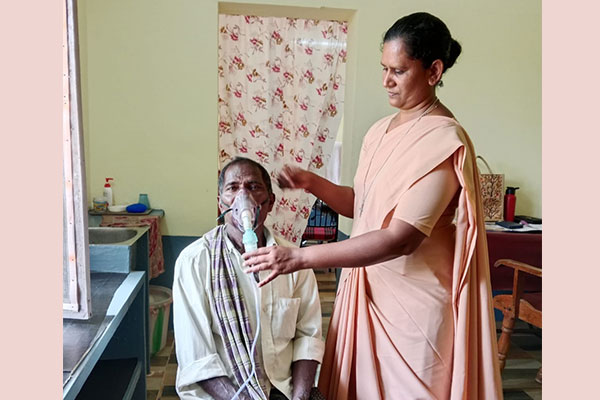
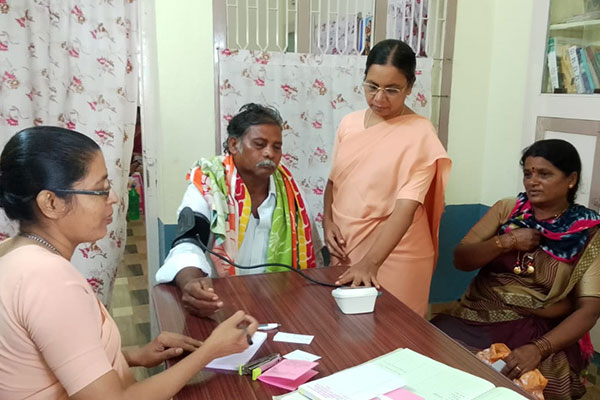
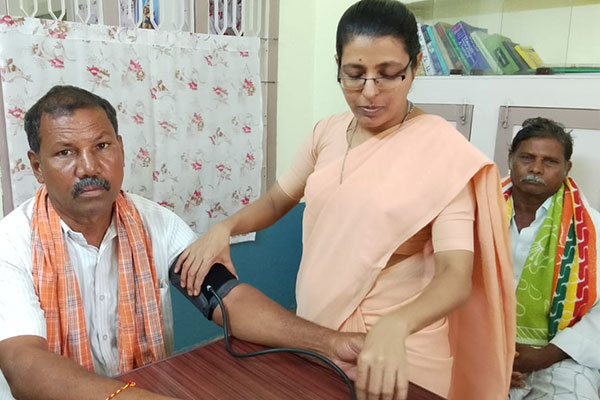
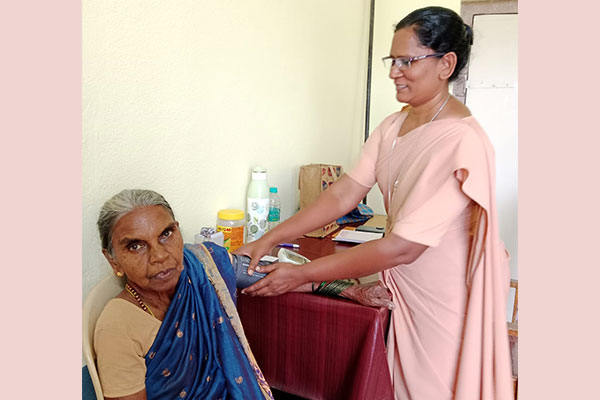
- OP (Outpatient) & IP (Inpatient) Services: Providing essential healthcare services to the local community.
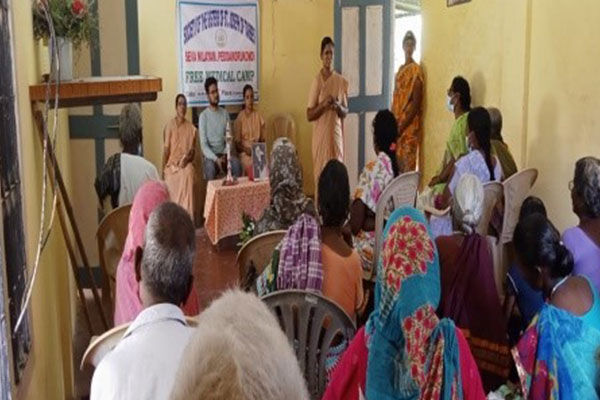
- Health Camps: Organizing health camps to address prevalent health concerns and raise awareness.
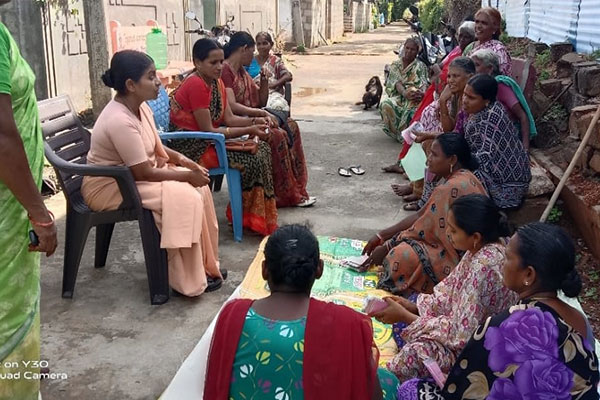
- Village Visits: Offering medical assistance and care through regular visits to nearby villages.
- Care for Alcoholics & People in Distress: Supporting individuals struggling with addiction and distress through compassionate care and intervention.
The Convent Building
For several years, the sisters operated without a convent building. However, in 1998, a convent building was finally completed, and the sisters moved into their new home with great joy. They recall that despite having better facilities, they continued to maintain the Nazareth Spirit—living simply and with deep hospitality. The convent became an even more welcoming place for the local community.
Support from the Diocese
Although the community was far from the mother house in Mysore, the sisters always felt the support, concern, and encouragement of their superiors. The Bishop was a true pastor, shepherd, and guide to the sisters, and the local Parish Priest and parishioners extended their full support.
The sisters are happy to affirm that the spirit of their foundresses has been strongly experienced in the community of Peddakorukondi, where they continue their mission with love, dedication, and faith.
Apostolate
Medical Apostolate:
- OP (Outpatient) & IP (Inpatient) Services: Providing essential healthcare services to the local community.
- Health Camps: Organizing health camps to address prevalent health concerns and raise awareness.
- Village Visits: Offering medical assistance and care through regular visits to nearby villages.
- Care for Alcoholics & People in Distress: Supporting individuals struggling with addiction and distress through compassionate care and intervention.
Social Work:
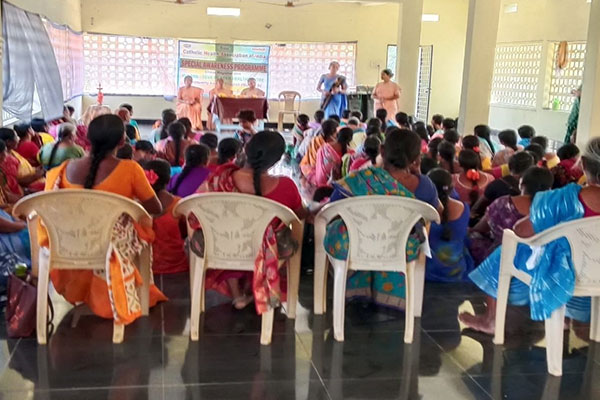
- Women’s Development: Actively involved in the empowerment of women, focusing on skill-building and self-reliance.
- Care for Orphans, the Elderly, and the Destitute: Providing shelter, care, and support for orphans, the elderly, and those in need within the community.
Pastoral Work:
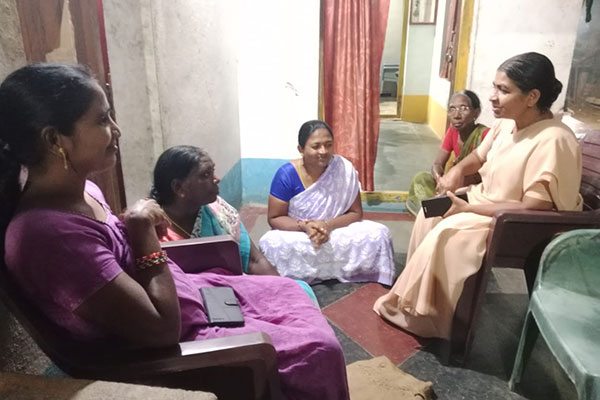
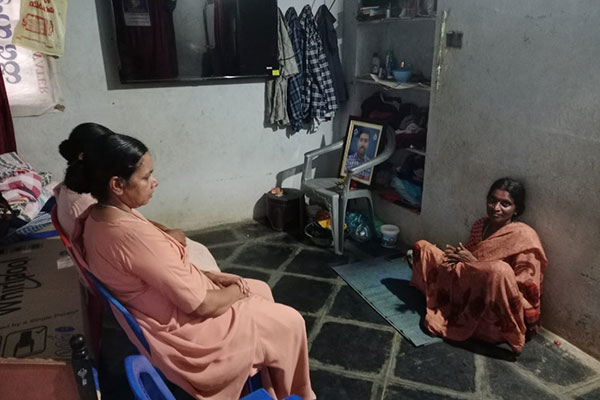
- Visit to Sub-Stations & Family Visits: Reaching out to smaller parishes (sub-stations) and families to offer spiritual guidance and support.
- Teaching Catechism & Sacramental Preparation: Educating children and preparing them for sacraments like First Communion and Confirmation.
- Liturgy & Church Care: Assisting with the liturgical activities and ensuring the cleanliness and upkeep of church linens.