Madikeri, the capital of Kodagu (Coorg), is a picturesque hill station nestled in the Western Ghats, approximately 240 km southwest of Bengaluru. Rich in history and natural beauty, Madikeri sits at an altitude of 3,500 feet and is home to the Kodavas—descendants of the land once known as Kodimalenad, meaning “dense forest land on steep hills.”
Among its notable landmarks are Raja Seat, Gaddige (the tombs of Veerarajendra and his queen), and the historic Fort with its museum. The region also boasts scenic peaks like Tadiandamol (5,724 feet) and Brahmagiri, where the sacred river Kaveri originates at Talakaveri.
Founding of the Institution
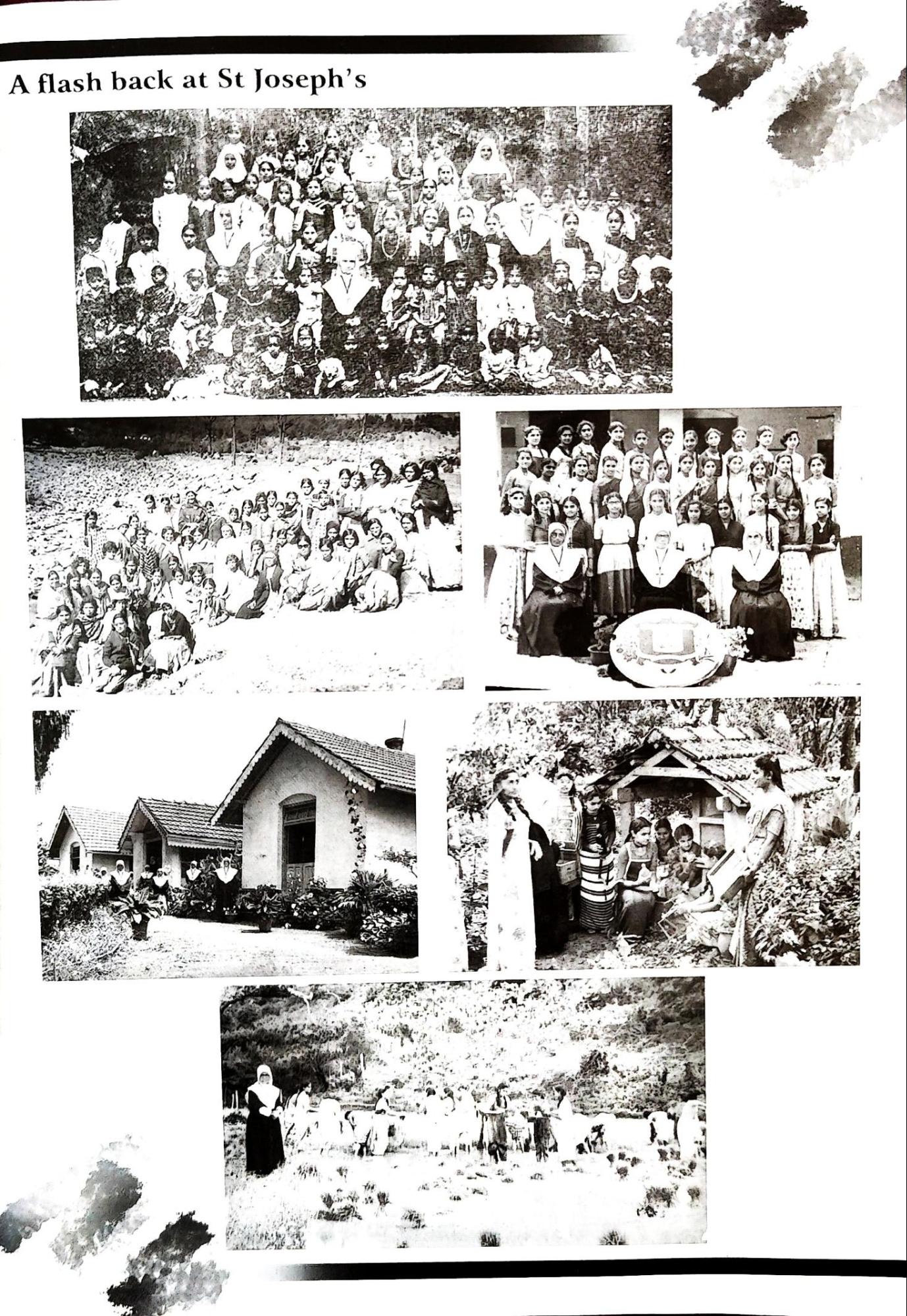
At a time when access to modern education was limited—especially for women—Fr. A. Nassoy, then Parish Priest of Madikeri, recognized the dire need for educational institutions. With his persistent efforts and the support of the Mother Superior in Bangalore, a foundation was laid in 1909.
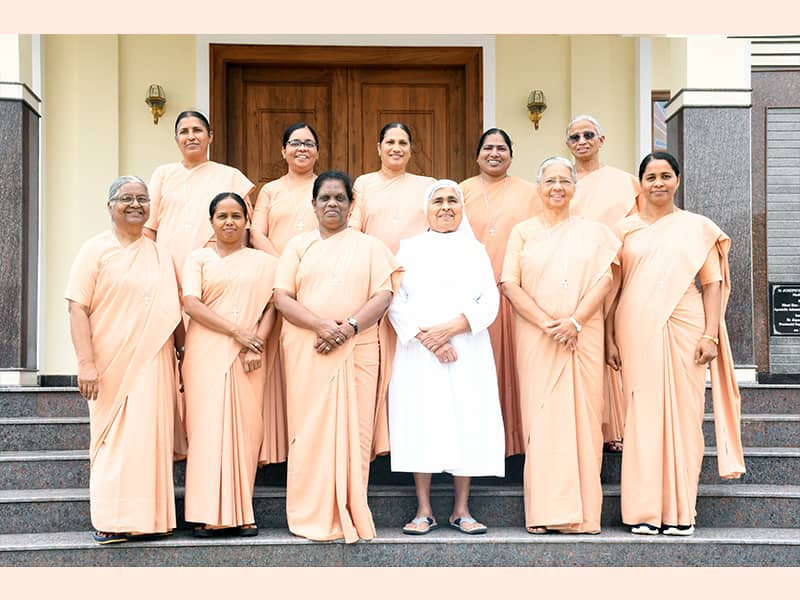
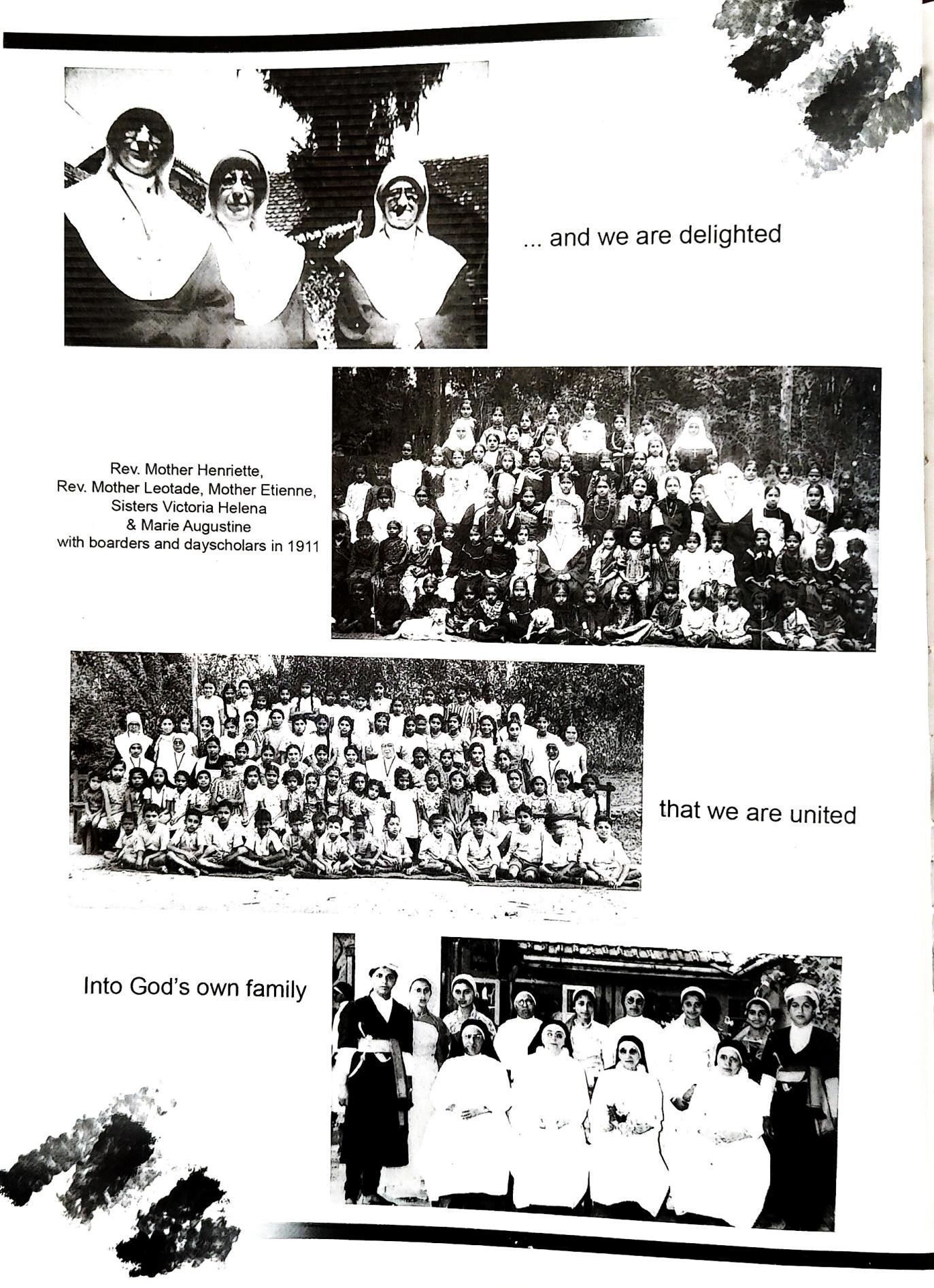
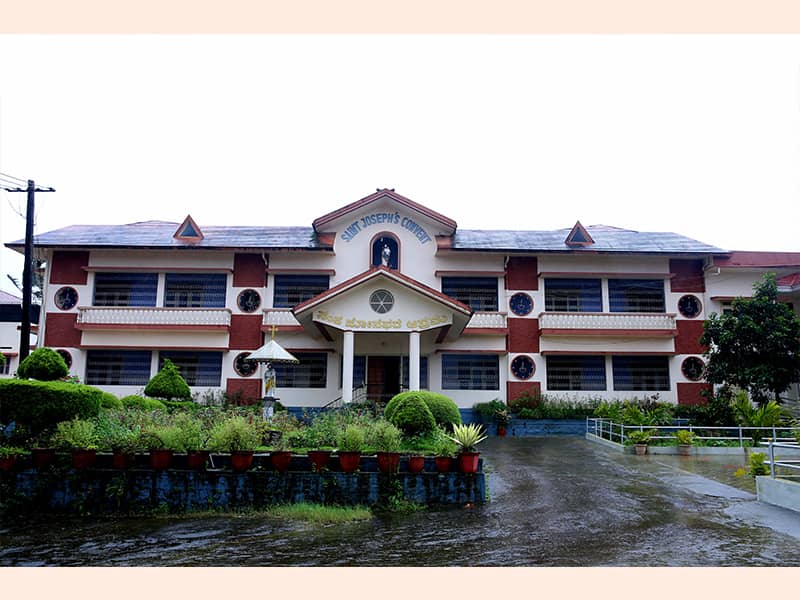
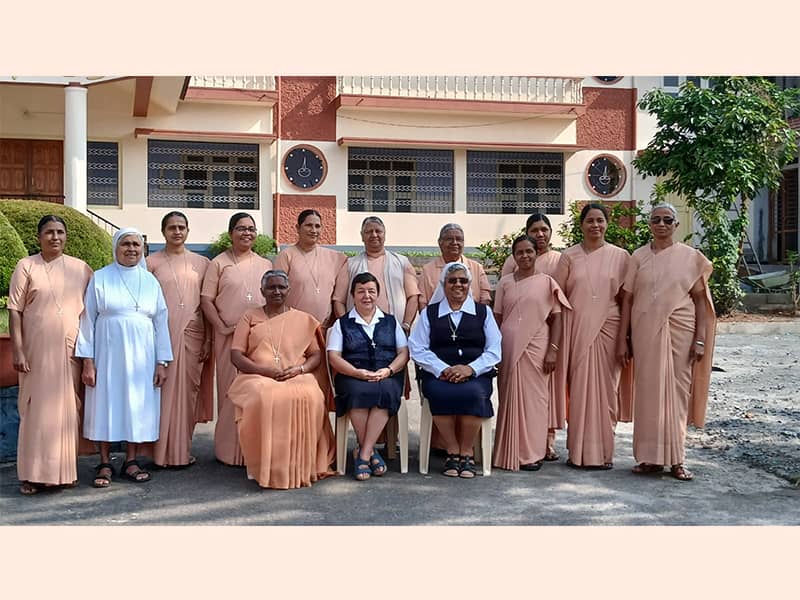
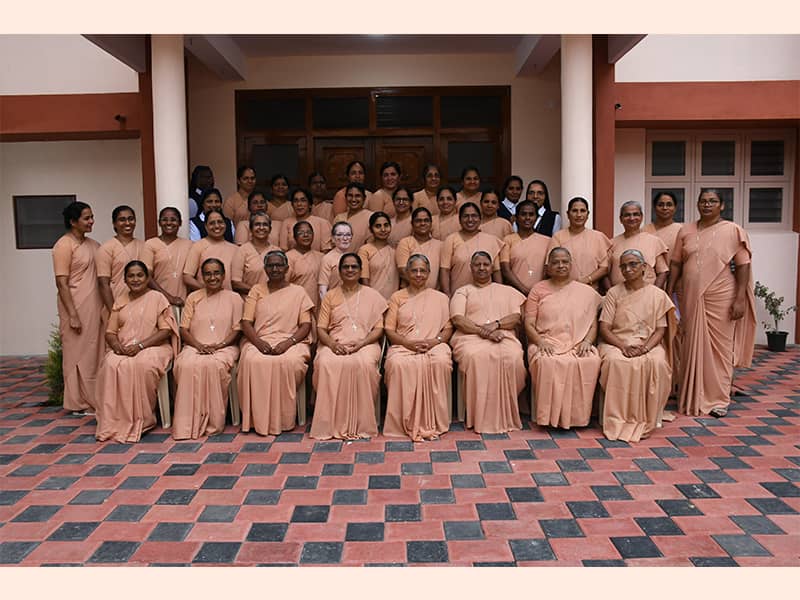
A team of six pioneering Sisters—Mother Henrietta, Mother Etienne (both French), Mother Elizabeth (Irish), and Sisters Antonia, Helena, and Vitoria (Indians)—embarked on a mission to bring education to the people of Kodagu. Their arrival marked the beginning of St. Joseph’s Convent in Madikeri.
The collaboration and warm welcome from local officials, including Commissioner Mr. L. F. Harris, Rao Bahadur Kodandera M. Cuttaiah, and Assistant Commissioner Mr. Codanda Appaiah, played a pivotal role in the school’s successful launch.
A Journey of Growth
The school officially opened on September 1, 1909, with 21 students enrolled across various grades.
Growth Timeline:
1910: Sir Stuart Fraser, Chief Commissioner, visits and appreciates the rapid development.
1923: School strength reaches 150; VI Form (equivalent to Class 11) inaugurated with two students.
1924: First batch of SSLC students appears for public examinations.
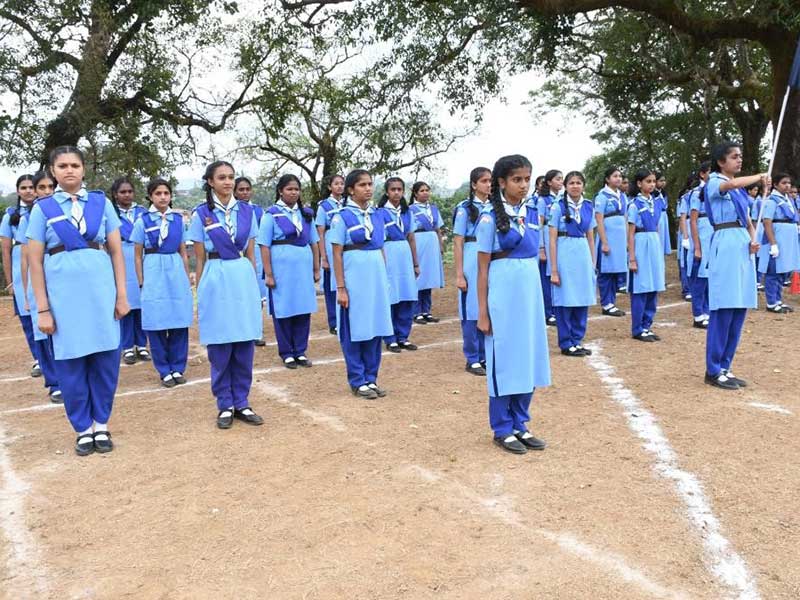
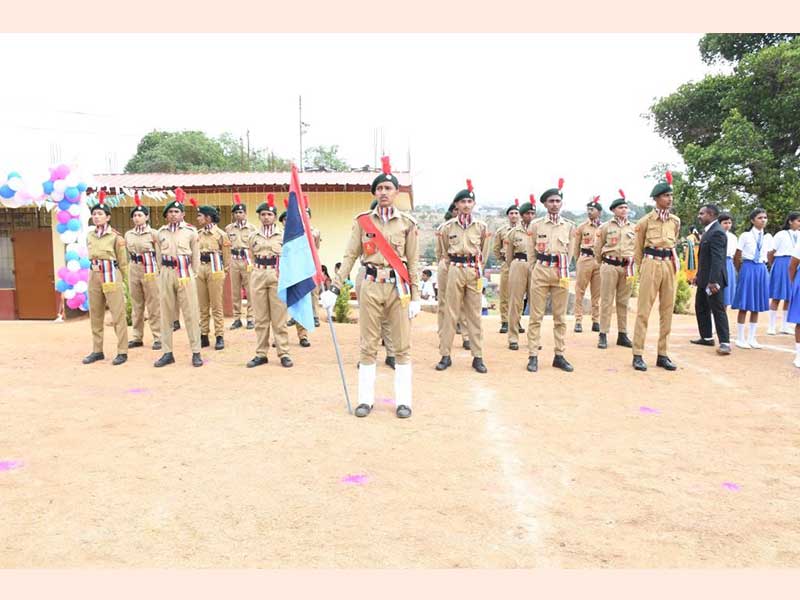
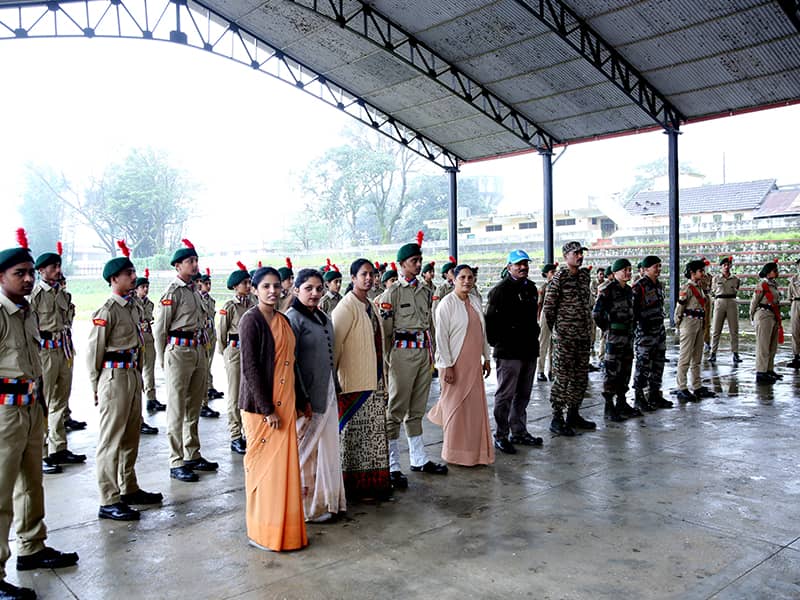
1963: Introduction of NCC and Guides.
2004: The institution is upgraded to a Composite Pre-University College offering Science, Commerce, and Arts.
June 16, 2004: Inauguration of the PU College—fulfilling a long-standing dream.
2009: Centenary Celebration—marking 100 years of dedicated service and growth from 21 to 2,700 students.
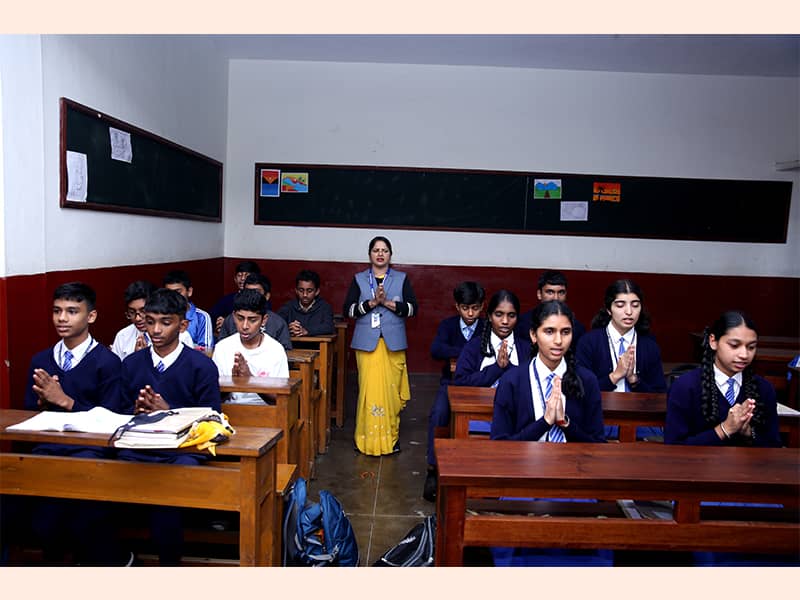
2015-16: Introduction of co-education in the high school and college sections in response to local demand.
Our Educational Vision
SJT Vision of Education
To build a spirit of communion within the institution and the society.
To support holistic growth—intellectual, emotional, spiritual, and social.
To foster responsible citizenship that promotes love, peace, and justice.
Objectives of Education
Full Human Effectiveness
Help students grow towards wholeness.
Inculcate both human and spiritual values, guiding them toward the ultimate reality—God.
Enlightened Commitment
Cultivate selfless love and service.
Develop agents of justice, peace, reconciliation, and liberation.
A Community of Learners
Foster an academic culture based on freedom, respect, and mutual support.
Shape students to be:
Emotionally mature
Intellectually alert
Morally sound
Spiritually open
Socially responsible
HOLISTIC STUDENT DEVELOPMENT
To nurture every child’s talent, a wide range of clubs and activities are offered:
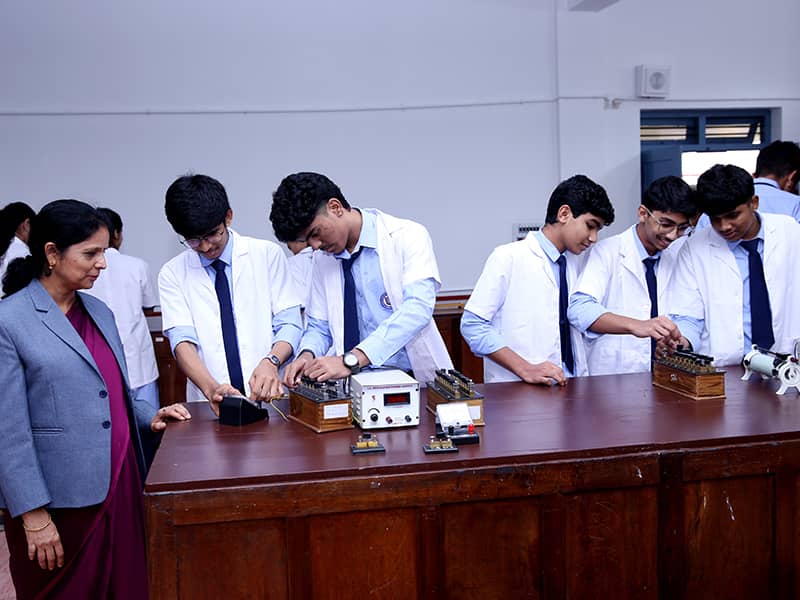
Clubs: Eco Club, Science Club, Social Science Club, Literary Club, Sports Club, Fine Arts Club
Social Initiatives: Universal Solidarity Movement, NCC, Guides, Sevadal, and Bulbuls
Leadership & Organization: Each club has a teacher coordinator and student secretaries. Common assemblies provide platforms for performance and expression.
Students actively participate in:
Competitions (school, district, state, and national level)
NTSE exams
Quiz, debates, dramatics, music, dance, sports, and games
Awareness programs in collaboration with the Health Department
Cultural & National Celebrations:
National festivals are celebrated with patriotic fervor.
Deepavali, Ramzan, and Christmas are marked with reverence to promote interfaith respect.
Leadership Structures:
A dedicated Staff Union and a proactive Student Union ensure collaborative functioning.
ST. JOSEPH’S CONVENT EDUCATIONAL INSTITUTIONS
Various Blocks
St. Joseph’s Convent – Tarbes Buds in Bloom
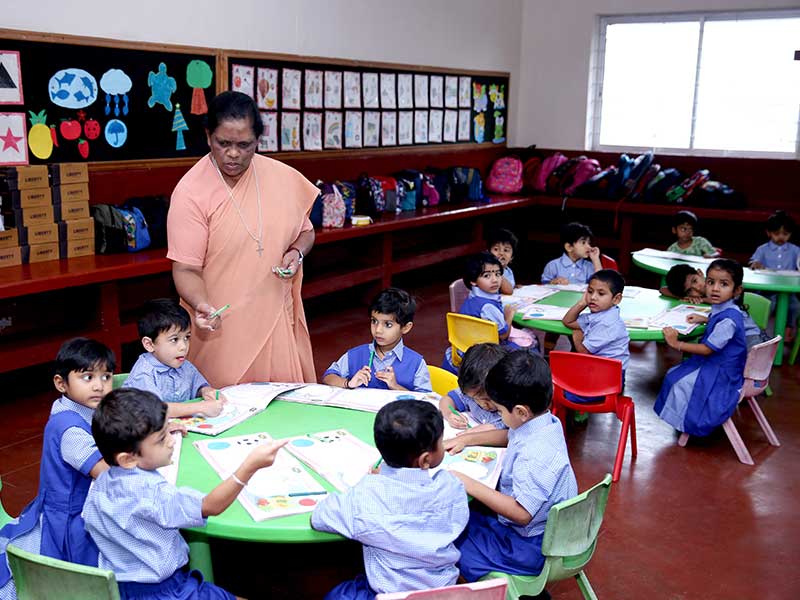
Kindergarten
Nursery
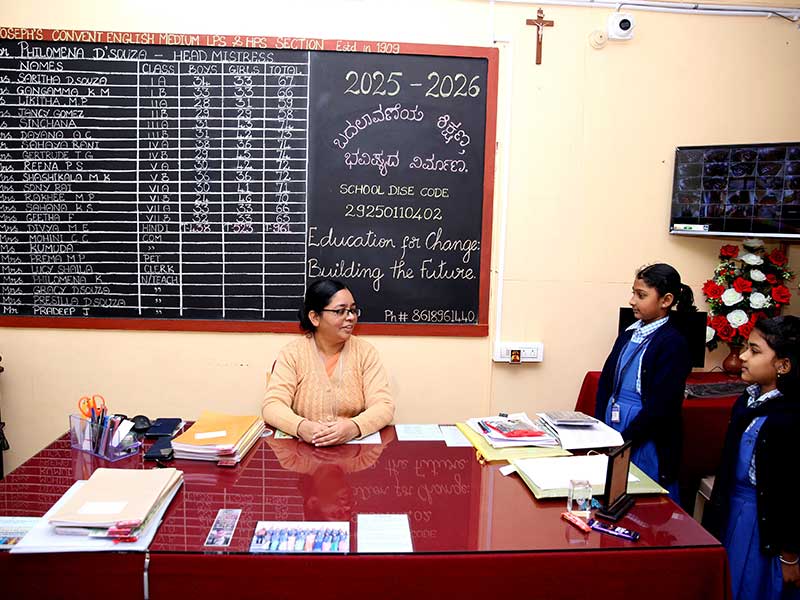
English Medium Higher Primary School (Unaided)
Kannada Medium Lower Primary School
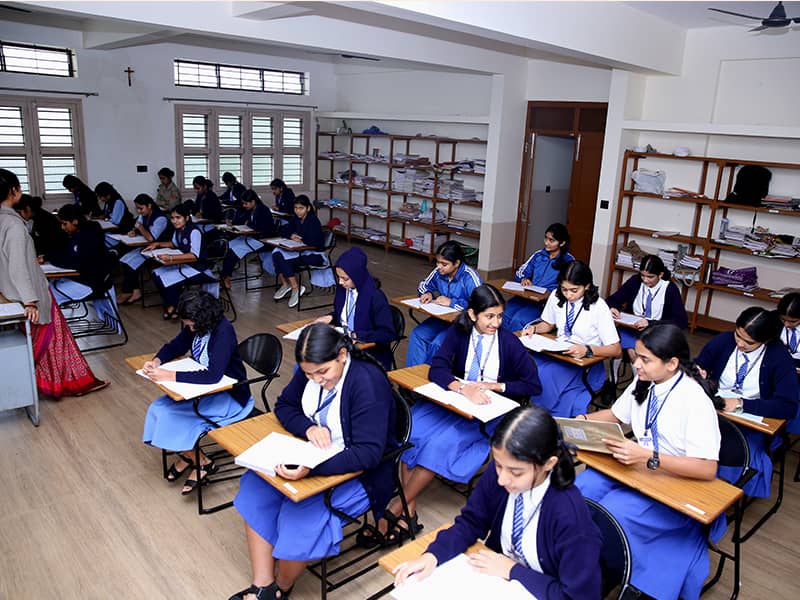
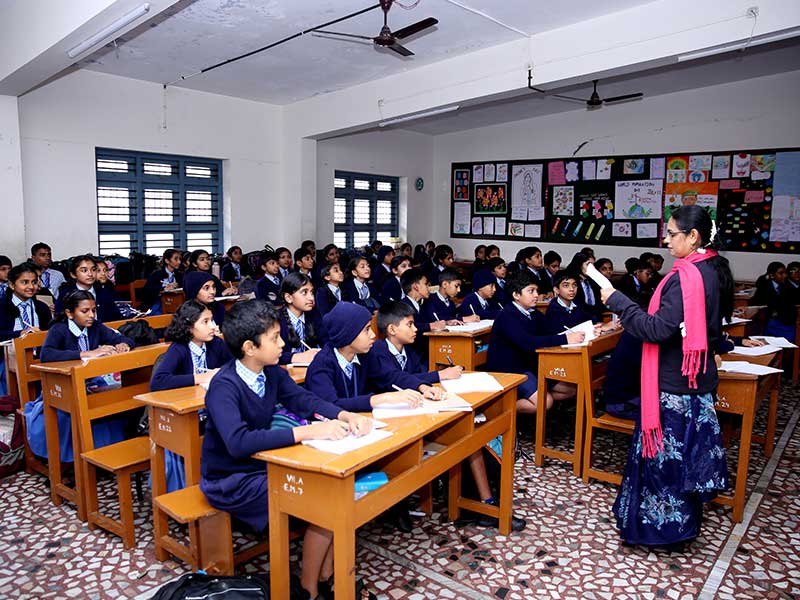
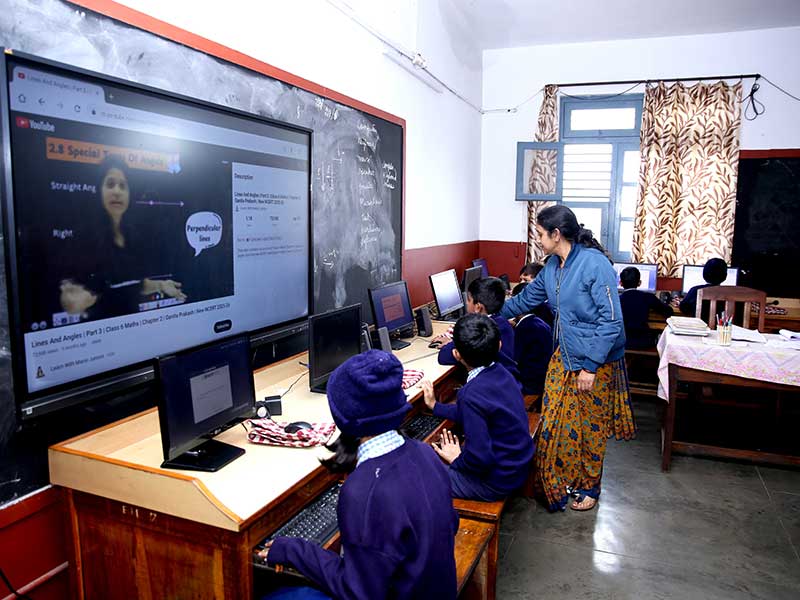
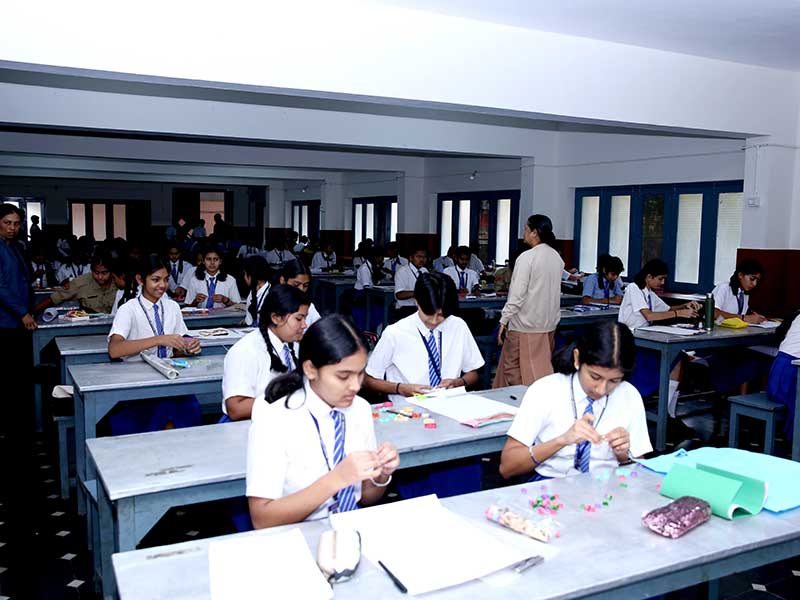
Composite High School
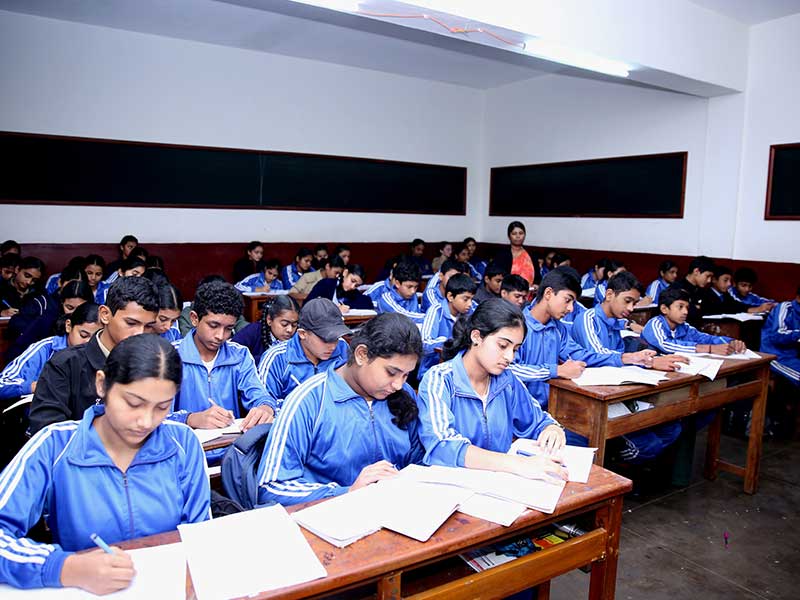
Composite Pre-University College (Unaided)
We take pride in our students’ stellar performance in SSLC and PUC examinations, which reflect our commitment to excellence and academic integrity.
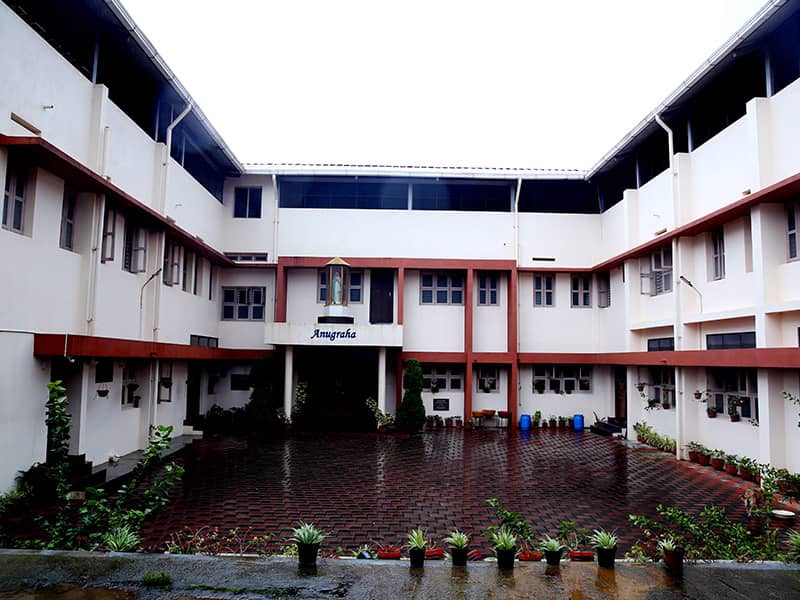
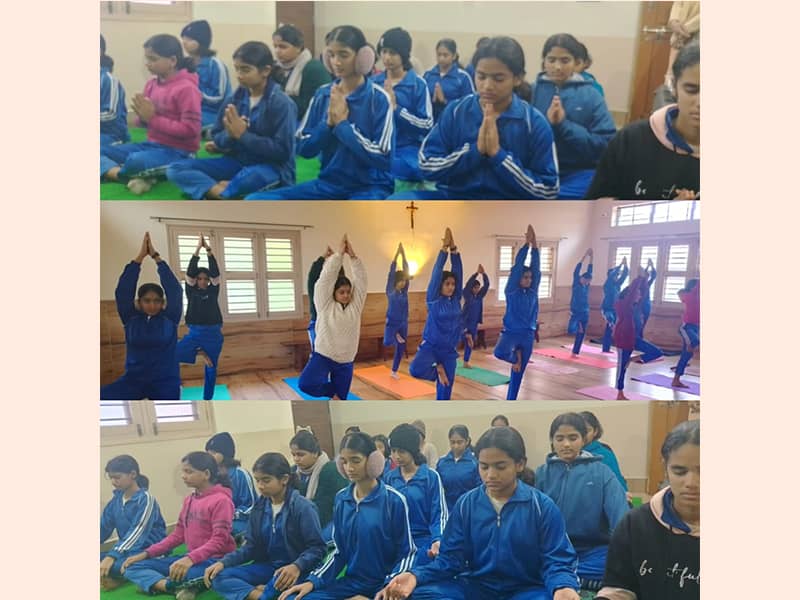
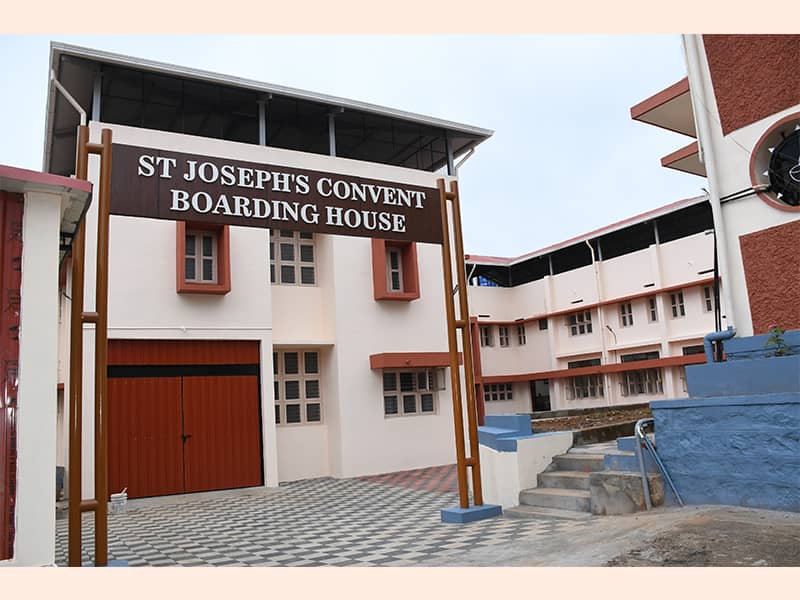
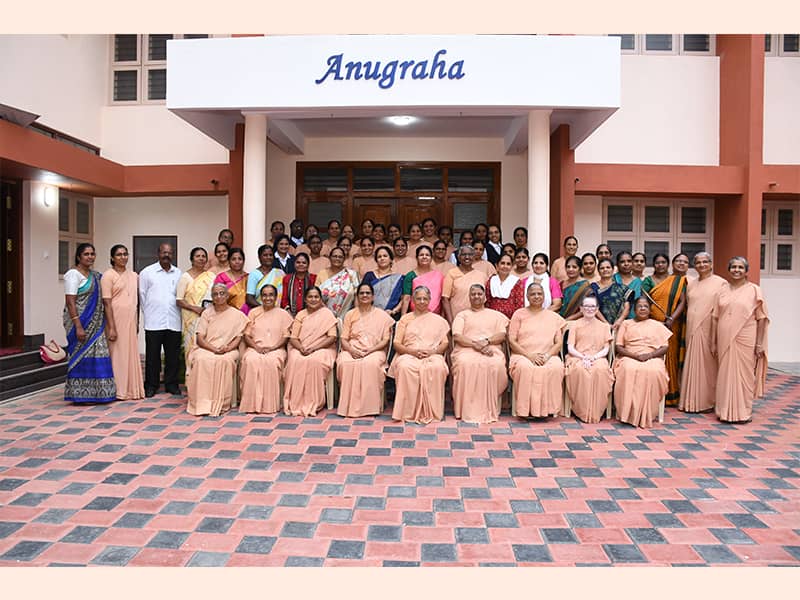
BOARDING HOUSE – ANUGRAHA
Our Objective
To provide a nurturing, value-based environment fostering:
Spiritual and Moral Development
Academic Excellence
Social Responsibility
Highlights
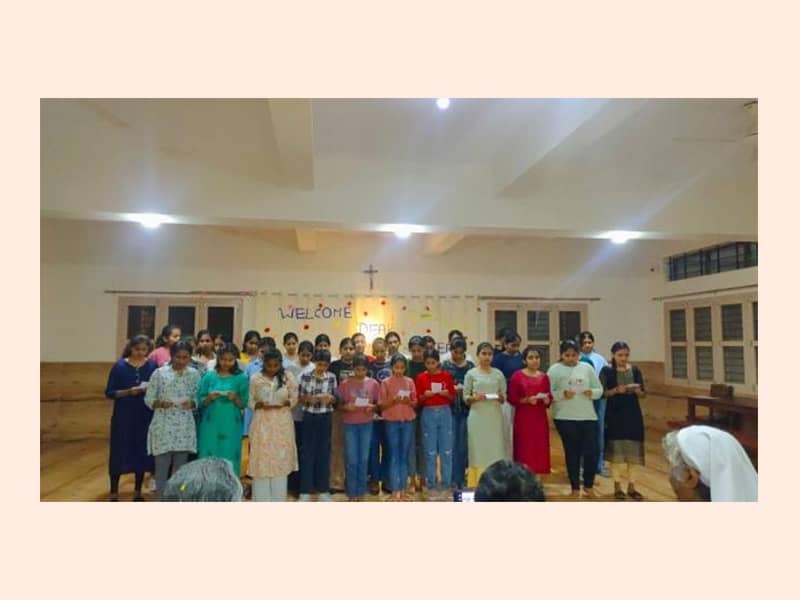
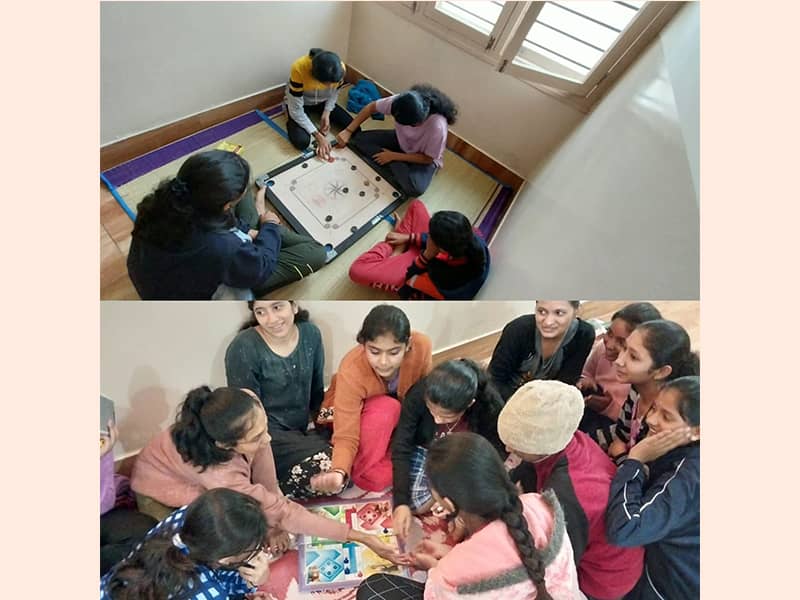
A home-like atmosphere with a strong family spirit.
Encouragement of personal growth and community living.
Training for life rooted in peace, harmony, and responsibility.